Friday, 22 November 2024

Detailed Boat Plans Stitch and Glue for a Smooth Sailing Experience

Detailed Boat Plans Stitch and Glue for a Smooth Sailing Experience

Build Your Dream Boat: A Stitch-and-Glue Guide for Smooth Sailing

Hey there, fellow boat enthusiasts! Ever dreamt of building your own vessel? The thought might seem daunting, but with stitch-and-glue construction, it's surprisingly achievable. This method is perfect for hobbyists, woodworking craftsmen, and even educational institutions looking for a fun and practical project. Let's dive into the details of crafting your own smooth-sailing masterpiece!

Understanding Stitch-and-Glue Construction

Stitch-and-glue is a fantastic way to build a boat because it's relatively simple, requires fewer specialized tools, and results in a surprisingly strong and watertight hull. The basic idea is this: you stitch together thin strips of wood (typically plywood or cedar strips), then glue them, and finally, reinforce the seams. Itรข€™s like creating a strong, lightweight puzzle that forms the hull of your boat.

Advantages of Stitch and Glue

  • Ease of Construction: It's easier than traditional methods like carvel or lapstrake building.
  • Lightweight and Strong: The resulting boat is both light and surprisingly strong thanks to the glued seams.
  • Cost-Effective: Youรข€™ll need fewer specialized tools and materials compared to other building methods.
  • Flexible Design: You can adapt the design to your needs and skill level.

Choosing Your Boat Plans

Before you start, you need a solid set of plans! Many resources offer downloadable plans for stitch-and-glue boats, catering to various skill levels and desired boat sizes. Look for plans that include detailed instructions, material lists, and diagrams. Make sure the plans clearly illustrate the construction process step-by-step.

Factors to Consider When Selecting Plans

  • Your Skill Level: Start with a simpler design if you're a beginner.
  • Boat Size and Type: Consider the size and type of boat that best suits your needs and the available space for construction.
  • Material Specifications: Pay close attention to the recommended wood type and thickness.

Gathering Your Tools and Materials

Having the right tools and materials is crucial for a smooth building process. You'll need a variety of tools, including:

  • Measuring Tape and Square: Accurate measurements are essential.
  • Jigsaw or Bandsaw: To cut the plywood or strips.
  • Drill and Drill Bits: For pilot holes and fastening.
  • Clamps: Lots of them! You'll need them to hold the pieces together while the glue dries.
  • Epoxy Resin and Hardener: This is the heart of the stitch-and-glue process.
  • Stitch Material: Typically, this is stainless steel wire.
  • Wood Filler and Sandpaper: For smoothing and finishing.

Remember to always check your plans for a comprehensive list of materials รข€" don't skip this step!

The Construction Process: Step-by-Step

The actual building process involves several stages: cutting the parts according to your plans, stitching them together, gluing the seams, removing the stitches, and finishing the hull. Each step demands precision and patience. Take your time, follow the instructions meticulously, and don't hesitate to seek help if you encounter difficulties. The detailed plans you choose should guide you through each of these phases.

Finishing Touches and Launching Your Boat

Once the hull is complete, you'll need to add the deck, interior fittings, and any other features specified in your plans. This stage involves more woodworking skills, such as shaping, sanding, and painting. Finally, after a thorough inspection and waterproofing, you'll be ready for the exciting moment รข€" launching your handcrafted boat!

Commonly Asked Questions

Q: How long does it take to build a stitch-and-glue boat?

A: It depends on the boat's size and complexity, as well as your experience level. Smaller boats can be completed in a few weeks or months, while larger projects might take several months or even years.

Q: Is stitch-and-glue suitable for beginners?

A: Absolutely! Start with simpler designs, and don't be afraid to ask for help. There are plenty of resources and online communities available for support.

Q: What kind of epoxy should I use?

A: High-quality marine-grade epoxy is essential for a durable and watertight hull. Follow the manufacturer's instructions carefully.

Q: What happens if I make a mistake?

A: Don't worry! Mistakes happen. With careful planning and attention to detail, many errors can be corrected. Remember to consult your plans, and if needed, seek advice from experienced boat builders.

Happy building! We hope this guide helps you embark on your boat-building adventure. Remember to always prioritize safety and enjoy the rewarding process of creating something amazing with your own hands.
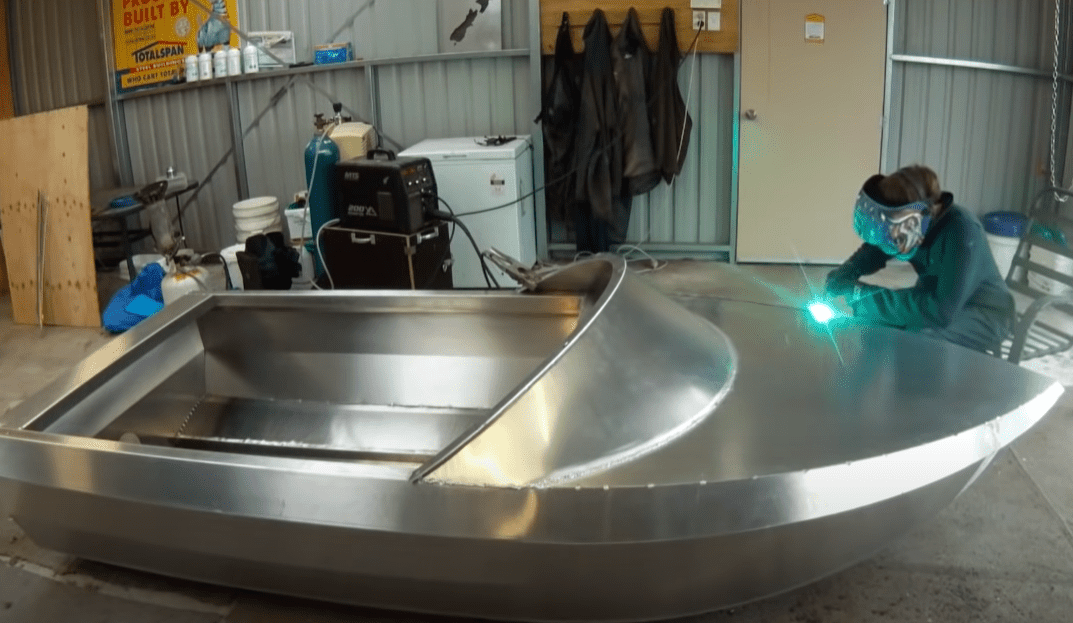
DIY Mini Jet Boat Plans: Perfect for Shallow Waters

DIY Mini Jet Boat Plans: Perfect for Shallow Waters

DIY Mini Jet Boat Plans: Perfect for Shallow Waters

Hey there, water enthusiasts! Tired of the same old fishing spots and shallow water limitations? Ever dreamt of effortlessly gliding across shallows, exploring hidden coves, and experiencing the thrill of a jet boat? Well, dream no more! With a little DIY ingenuity, you can build your own mini jet boat, perfect for navigating those tricky shallow waters and unlocking a world of aquatic adventure.

Building a mini jet boat might sound daunting, but trust me, it's far more achievable than you think. This guide will walk you through the process step-by-step, offering clear instructions and tips to help you conquer this exciting project. So grab your tools, get ready to get your hands dirty, and let's embark on this journey together!

Planning Your Mini Jet Boat: From Inspiration to Blueprint

Before diving into construction, it's crucial to map out your mini jet boat's design. Here's where you'll get to unleash your creativity and customize your boat to your liking.

1. Define Your Vision:

Think about how you'll use your mini jet boat. Will it be primarily for fishing, exploring hidden coves, or maybe even a bit of speed? Your vision will guide your design choices.

2. Choose Your Materials:

Many materials are suitable for building a mini jet boat, and choosing the right ones is crucial. Here are a few popular options:

  • Aluminum: Lightweight, durable, and corrosion-resistant, making it ideal for a mini jet boat.
  • Fiberglass: Highly customizable and offers excellent strength-to-weight ratio.
  • Plywood: Affordable and easily workable, but requires proper sealing for water resistance.

3. Sketch Your Design:

Don't be afraid to get creative! Sketch out your mini jet boat's shape, size, and features. Consider aspects like:

  • Hull Shape: A shallow-draft hull is perfect for shallow water navigation.
  • Deck Layout: Plan the placement of seats, storage compartments, and any other features.
  • Jet Drive Design: Consider a simple DIY jet drive or a commercially available unit.

Building Your Mini Jet Boat: Bringing Your Vision to Life

Now it's time to roll up your sleeves and get building! Here's a breakdown of the key steps:

1. Construct the Hull:

This is the foundation of your mini jet boat, and careful construction is crucial.

  • Aluminum: Use a combination of bending, welding, and riveting to shape your hull.
  • Fiberglass: Create a mold and lay up fiberglass layers with resin for a strong and durable hull.
  • Plywood: Construct the hull using plywood planks, joined with epoxy and sealed with fiberglass for water resistance.

2. Install the Jet Drive:

The jet drive propels your mini jet boat.

  • DIY Jet Drive: This can be built using materials like PVC pipe, a centrifugal impeller, and a motor.
  • Commercial Jet Drive: These are more expensive but offer better performance and reliability.

3. Assemble the Deck:

The deck provides seating, storage, and a platform for driving your mini jet boat.

  • Aluminum: Cut and bend aluminum sheets to create the deck, and attach it to the hull.
  • Fiberglass: Create a mold and lay up fiberglass layers to form the deck.
  • Plywood: Use plywood to construct the deck, secure it to the hull, and seal it with fiberglass.

4. Add the Finishing Touches:

Once the hull, jet drive, and deck are in place, it's time to enhance your mini jet boat's functionality and aesthetics.

  • Seating: Install comfortable seats, allowing enough space for passengers.
  • Storage: Add compartments for gear, fishing rods, and other essentials.
  • Navigation Lights: Essential for safety, especially during night use.
  • Paint or Coating: Protect your boat from the elements and add a touch of personal style.

Testing and Enjoying Your Mini Jet Boat

The moment you've been waiting for has arrived! It's time to test your newly built mini jet boat.

1. Initial Testing:

Start with a shallow, calm body of water. Ensure all systems are functioning properly, and that you are comfortable controlling the boat.

2. Adjustments:

Based on your initial testing, make any necessary adjustments. This may involve fine-tuning the jet drive, adjusting the hull, or adding additional features.

3. Enjoy the Ride:

Once you're satisfied with your mini jet boat's performance, it's time to enjoy the fruits of your labor! Explore shallow waters, navigate hidden coves, and create unforgettable memories.

Safety Considerations:

Safety should always be a top priority when operating a mini jet boat. Here are some essential tips:

  • Wear a Life Jacket: This should be mandatory for all passengers at all times.
  • Check Weather Conditions: Avoid boating in adverse weather conditions.
  • Know Your Limits: Start with shallow water areas and gradually progress as you gain experience.
  • Be Aware of Your Surroundings: Pay attention to other boats, obstacles, and wildlife.
  • Carry Emergency Equipment: Include items like flares, a first aid kit, and a VHF radio.

Commonly Asked Questions:

Q: What is the cost of building a mini jet boat?

The cost can vary widely depending on the materials you choose and the complexity of your design. Simple DIY jet boats can be built for a few hundred dollars, while more elaborate ones may cost a few thousand.

Q: How much time does it take to build a mini jet boat?

The construction time will depend on your experience, the complexity of your design, and the amount of time you dedicate to the project. Expect to spend several weeks or months.

Q: What kind of engine do I need?

The size and power of the engine depend on the size and weight of your boat. A small, lightweight engine is suitable for a mini jet boat.

Q: Can I use my mini jet boat in salt water?

Yes, but it's essential to use materials and components that are corrosion-resistant. You'll also need to flush the engine with fresh water after use.

Building your own mini jet boat is a rewarding and adventurous project. It's a chance to unleash your creativity, learn new skills, and experience the thrill of exploring shallow waters. Remember to plan carefully, follow safety guidelines, and most importantly, have fun!

How to Build a Duck Boat for Shallow Waters and Marshes

How to Build a Duck Boat for Shallow Waters and Marshes

Building Your Own Duck Boat: A Guide for Shallow Waters and Marshes

Hey there, fellow waterfowlers! You know that feeling, right? You're scouting out the perfect spot for a duck hunt, and there's this incredible marsh, but it's just too shallow for your regular boat. Don't worry, you're not alone! This is where a duck boat comes in handy. Building your own duck boat is a rewarding project that lets you customize it perfectly for your needs and hunting style. Plus, it's way cheaper than buying one!

So, grab your tools and let's dive into building your own duck boat. Don't worry if you're not a seasoned woodworker. We'll break it down step-by-step, making it easy for even beginners to build a sturdy and functional duck boat.

Choosing the Right Materials for Your Duck Boat

The first step is selecting the right materials. Think of it as choosing your team for this project. You want materials that are tough, durable, and will stand up to the rigors of duck hunting. Here's a breakdown of what you'll need:

Hull Material

This is the backbone of your boat, so choose wisely! Here are a few popular options:

  • Plywood: This is a budget-friendly option and is relatively easy to work with. Marine plywood is your best bet, as it's designed for moisture resistance. However, plywood can be a bit heavy, and it's not as durable as some other materials.
  • Aluminum: This is a lightweight, tough, and corrosion-resistant choice. It's easy to maintain and a popular choice for duck boats. However, it can be more expensive than plywood and might require more specialized tools.
  • Fiberglass: This is a super-strong option that's highly resistant to water damage. Fiberglass is very durable but can be tricky to work with. It also requires more specialized equipment and skills.

Other Materials

You'll also need these materials:

  • Wood for the frame: Use pressure-treated lumber for durability and resistance to rot.
  • Screws, bolts, and fasteners: Use marine-grade hardware, designed to withstand the harsh elements.
  • Epoxy resin and fiberglass cloth: These are essential for creating a watertight seal and adding extra strength to your boat.
  • Paint: Use a marine-grade paint to protect the wood and keep it looking great.
  • Seats, oars, and other accessories: Choose these based on your personal preferences.

Designing Your Duck Boat

Now that you've got your materials, it's time to design your duck boat. This is where your creativity and hunting style come into play. Here are some things to consider:

Size

The size of your duck boat will depend on how many hunters it needs to hold and the type of terrain you'll be navigating. A smaller boat is easier to maneuver in tight spaces, while a larger boat offers more space for gear and hunters.

Shape

Consider the shape of your boat's hull. A flat-bottomed boat is good for stability in shallow waters, while a V-shaped hull offers better performance in choppy waters. A combination of both shapes is also possible, providing a good balance of stability and speed.

Features

Think about the features you'll need, like built-in storage compartments, gun racks, or even a small blind for concealment. You can also add a trolling motor for easier navigation. The key here is to prioritize features that will make your hunting experience more enjoyable and efficient.

Building Your Duck Boat: Step-by-Step Guide

Alright, it's time to get your hands dirty! Building a duck boat might seem intimidating, but it's actually a lot of fun, and with this step-by-step guide, you'll have your boat ready for action in no time.

Step 1: Construct the Frame

Start by building the frame of your boat. This is the foundation of your boat, so ensure it's sturdy and well-built. Use pressure-treated lumber for the frame, and join the pieces together using screws or bolts. Make sure to follow your design plans carefully.

Step 2: Cut and Shape the Hull Panels

Next, cut and shape the hull panels from your chosen material (plywood, aluminum, or fiberglass). Be precise with your measurements, and use a table saw or jigsaw to cut the panels. Use a router or sander to shape the edges for a smoother finish.

Step 3: Attach the Hull Panels to the Frame

Now, it's time to attach the hull panels to the frame. Use marine-grade screws or bolts, and ensure the panels are securely fastened. Make sure to use waterproof sealant around the joints to prevent water from leaking in.

Step 4: Add Additional Structural Support

For added strength and durability, incorporate additional structural support, such as stringers and ribs. These internal components help distribute the weight of the boat and prevent it from flexing under stress. You can use more pressure-treated wood for this part.

Step 5: Seal and Coat the Hull

Once the hull is assembled, you'll want to create a watertight seal. Use epoxy resin and fiberglass cloth to coat the inside and outside of the hull. This will make your boat stronger and prevent leaks. Let the epoxy cure completely before moving on.

Step 6: Finish the Boat

Now for the fun part! Sand down the hull to get a smooth finish, then apply marine-grade paint to protect the wood and give your boat a great look. Add any features you want, like seats, oars, a trolling motor, or a small blind. Make it your own!

Final Touches and Enjoying Your Duck Boat

Congratulations! You've just built your own duck boat! Now take some time to add the final touches, like a custom paint job or some personalized accessories. Then, take your new duck boat out for a test drive on the water. You can also add a name or logo to personalize your boat even further. It's time to enjoy the fruits of your labor! Remember to always practice safe boating and follow local regulations.

Commonly Asked Questions

What is the best material for building a duck boat?

The best material depends on your budget, skills, and the type of hunting you'll be doing. Aluminum is a good all-around choice for durability and ease of maintenance. If you're looking for a more budget-friendly option, plywood is a good choice, but make sure to use marine plywood for better moisture resistance.

How much does it cost to build a duck boat?

The cost of building a duck boat will vary depending on the materials you choose and the size and features of the boat. A simple plywood duck boat can be built for a few hundred dollars, while a more elaborate aluminum boat could cost a few thousand.

How long does it take to build a duck boat?

The time it takes to build a duck boat will depend on your experience level and the complexity of the design. A simple plywood boat can be built in a few weekends, while a more complex aluminum boat could take several weeks or even months.

Building your own duck boat is a fun and rewarding project. Not only will you save money, but you'll also have a boat that's perfectly customized for your needs. Happy hunting!

Step-by-Step Guide for Building a Fishing Boat Hull with Free Plans

Step-by-Step Guide for Building a Fishing Boat Hull with Free Plans

Building a Fishing Boat Hull: A Step-by-Step Guide with Free Plans

Building your own fishing boat hull is a challenging but rewarding project. With the right plans, tools, and dedication, you can create a custom vessel perfectly tailored to your needs. This guide will walk you through the entire process, from selecting plans to launching your finished boat.

Choosing Your Plans

The first step is to choose your plans. There are countless free boat plans available online, catering to various hull styles, sizes, and fishing preferences. Sites like BoatPlans.com, Bateau.com, and Duckworks.com offer a wealth of resources. Carefully consider the following factors when selecting your plan:

  • Size: Determine the ideal length, beam, and draft for your fishing needs and intended waters.
  • Hull Type: Research different hull designs like V-hulls, flat-bottom hulls, and catamarans, and understand their pros and cons for your specific usage.
  • Materials: Select a material that aligns with your skill level and budget. Common choices include plywood, fiberglass, and aluminum.
  • Complexity: Choose a plan that aligns with your boatbuilding experience. Starting with a simpler design is recommended if you're new to boat construction.

Gathering Materials and Tools

Once you've selected your plans, gather the necessary materials. This will likely include:

  • Lumber: Marine-grade plywood or lumber, depending on your plan.
  • Epoxy Resin and Hardener: For bonding and sealing wood, and fiberglass cloth.
  • Fiberglass Cloth: Used for reinforcing and waterproofing the hull.
  • Paint: Marine-grade paint for protecting the hull from water damage.
  • Hardware: Including fasteners, cleats, and other necessary fittings.

Essential tools for building your hull include:

  • Saw: A circular saw, jigsaw, or table saw is necessary for cutting lumber.
  • Sanding Equipment: Sandpaper, a sander, and a sanding block for smoothing surfaces.
  • Drill and Driver: For drilling holes and securing fasteners.
  • Clamps: For holding components together while bonding.
  • Measuring Tools: Tape measure, protractor, and level for ensuring accuracy.

Building the Hull

With materials and tools ready, you can start building the hull. This process will vary depending on your chosen plan, but typically involves:

Cutting and Shaping the Frames

Use the provided plans to cut and shape the frames that make up the boat's skeleton. Carefully follow the instructions, making precise measurements and cuts.

Constructing the Hull Panels

Cut and assemble the plywood panels that form the hull's exterior. Adhere the panels to the frames using epoxy resin and fiberglass cloth for reinforcement.

Fiberglassing and Waterproofing

Apply multiple layers of fiberglass cloth soaked in epoxy resin to create a strong and waterproof barrier. Be sure to follow the manufacturer's instructions for mixing ratios and curing times.

Finishing the Hull

After the fiberglassing and sanding are complete, apply a marine-grade paint or varnish to protect the hull and add a beautiful finish.

Launching Your Fishing Boat

Once the hull is complete, it's time to launch it! This process involves:

  • Attaching the Outboard Motor: Install the motor according to its specifications.
  • Installing the Deck: Build and attach the deck, if your plans include one.
  • Adding Fittings: Install cleats, cleats, and other fittings to make the boat fully functional.
  • Launching the Boat: Carefully lower the boat into the water and enjoy your new creation!

Safety and Tips

Here are some important safety tips and recommendations for building a fishing boat hull:

  • Wear safety glasses and a respirator mask when working with wood dust and epoxy resin.
  • Work in a well-ventilated area to minimize exposure to fumes.
  • Use the right tools and always follow the manufacturer's instructions.
  • Double-check measurements and cuts to ensure accuracy.
  • Take breaks when needed to avoid fatigue.
  • Seek professional help for complex tasks or if you encounter difficulties.

Building your own fishing boat hull is a challenging but rewarding experience. With careful planning, patience, and dedication, you can create a custom vessel that will bring you years of enjoyment on the water.

Free PDF Plans for Building a Small Wooden Boat

Free PDF Plans for Building a Small Wooden Boat

Free PDF Plans for Building a Small Wooden Boat

Building a wooden boat is a rewarding and fulfilling project that can bring you closer to the water and provide a sense of accomplishment. Whether you're a seasoned woodworker or a curious beginner, the joy of crafting a boat from scratch is undeniable. But where do you start? The answer lies in finding free PDF plans that guide you through every step of the process.

The internet is a treasure trove of resources for boat builders, offering a wide variety of free PDF plans for small wooden boats. These plans provide detailed instructions, diagrams, and material lists, making the building process more accessible and manageable. From simple dinghies to elegant rowboats, the possibilities are endless.

Benefits of Using Free PDF Plans

Using free PDF plans for building a small wooden boat comes with numerous advantages:

  • Cost-effectiveness: Free plans eliminate the need to purchase expensive blueprints, saving you money from the get-go.
  • Variety: The vast online repository offers a diverse range of boat designs to suit your needs and preferences.
  • Accessibility: Free plans are readily available, allowing you to download and print them at your convenience.
  • Flexibility: You can easily modify the plans to suit your specific requirements or adjust the dimensions based on your desired size.

Finding Free PDF Plans

Several online resources offer free PDF plans for small wooden boats. Here are a few reputable websites to explore:

  • Boat Plans Free: This website boasts a collection of free plans for various boat types, including dinghies, rowboats, and canoes.
  • Wooden Boat Plans: A comprehensive resource featuring a wide selection of free wooden boat plans for beginners and experienced builders.
  • The Boat Designers: This website offers a range of free plans for small wooden boats, with a focus on classic designs.
  • Google Search: Utilize keywords like "free wooden boat plans PDF" to discover a multitude of online resources.

Choosing the Right Plan

Selecting the right plan is crucial for a successful building experience. Consider the following factors:

  • Skill level: Choose a plan that aligns with your woodworking expertise, starting with simpler designs if you're a beginner.
  • Boat type: Determine the type of boat you want to build based on your intended use, such as rowing, sailing, or fishing.
  • Materials: Ensure the plan specifies the necessary materials and their quantities, making it easier to gather supplies.
  • Detailed instructions: Look for plans with clear and concise instructions, accompanied by diagrams and illustrations.

Building Your Wooden Boat

Once you've chosen your plan, gather the necessary materials and tools. Follow the instructions carefully, paying attention to the sequence of steps. Be patient, meticulous, and don't hesitate to seek assistance if you encounter any difficulties. The joy of building your own wooden boat is a rewarding experience that will leave you with a unique and cherished vessel.

Wooden Sailboat Plans for Family Cruisers

Wooden Sailboat Plans for Family Cruisers

Wooden Sailboat Plans for Family Cruisers

Ah, the dream of sailing away with your loved ones, the wind in your sails, and the sun on your face. It's a beautiful vision, and one that's within reach with the right wooden sailboat plans. Building your own boat is a labor of love, a journey of skill and patience, and ultimately a rewarding experience that will create lasting memories for you and your family.

But where do you start? Choosing the right wooden sailboat plans for a family cruiser is the first crucial step. This guide will navigate you through the process, offering insights and advice to make your dream a reality.

Defining Your Needs: The Perfect Family Cruiser

Before diving into plans, envision your ideal sailing experience. Ask yourself:

  • How many people will be on board?
  • What type of cruising are you planning (coastal, inland, or offshore)?
  • What's your budget for materials and construction?
  • What level of sailing experience do you have?
  • How much time are you willing to dedicate to the build?

These factors will help narrow down your choices and guide you toward plans that fit your family's needs and your skillset. Remember, a well-designed family cruiser should offer comfort, safety, and ease of handling, even with multiple passengers on board.

Wooden Sailboat Plans: A World of Choices

The world of wooden sailboat plans is vast, offering a range of designs, sizes, and complexities. Here are some popular options to consider:

Classic Designs: A Touch of Tradition

Classics like the Bristol Channel Cutter, the Falmouth Quay Punt, or the classic Yawl offer timeless beauty and proven seaworthiness. These designs often feature a traditional gaff rig, charming lines, and a focus on comfort. They can be a bit more challenging to build but offer immense satisfaction.

Modern Designs: Innovation and Efficiency

Modern designs like the Seawind 1000, the Quest 33, or the Islander 36 offer a blend of classic elegance and modern advancements. They often feature a more efficient sail plan, spacious interiors, and well-thought-out layouts perfect for families. These plans are usually more detailed and can be a good option for experienced builders.

DIY-Friendly Designs: Get Your Hands Dirty

If you're a beginner, consider starting with a smaller, simpler design like a dinghy or a day sailer. These plans are often less complex, more affordable, and perfect for learning the basics of boatbuilding. Examples include the Wee Lassie or the Snipe.

Choosing the Right Plans: What to Look For

Once you have a general idea of the type of boat you want, carefully evaluate the available plans. Look for:

  • Detailed and clear instructions: The plans should be easy to understand and follow, with comprehensive drawings, materials lists, and step-by-step instructions.
  • A proven design: Choose plans with a proven track record of success, ideally with feedback from other builders.
  • Scale drawings and templates: These are essential for accurate construction.
  • Good customer support: Look for plan designers who offer assistance and answer questions.
  • A community of builders: Many plan designers have online forums where builders can share tips and troubleshoot problems.

Building Your Wooden Sailboat: A Labor of Love

Building your own boat is a rewarding challenge. Here are some essential tips to keep in mind:

  • Start small: If you're new to boatbuilding, begin with a smaller project like a dinghy or a rowboat. This will allow you to develop your skills and build confidence.
  • Invest in quality tools: Having the right tools will make the process smoother and more enjoyable.
  • Take your time and be patient: Boatbuilding takes time and precision. Don't rush the process; allow yourself plenty of time to learn and perfect each step.
  • Seek guidance: Don't hesitate to ask for help from experienced boatbuilders or join local boatbuilding clubs.
  • Enjoy the process: Boatbuilding is a journey, not just a destination. Embrace the challenges and celebrate the milestones.

The Reward of a Wooden Sailboat

The feeling of sailing on a boat you built yourself is truly special. It's a testament to your hard work, dedication, and love for the craft. You'll have a deeper appreciation for the boat's design and construction, and each sail will be an adventure filled with pride and satisfaction.

And let's not forget the joy of sharing those experiences with your family. Creating memories on the water, teaching your children about sailing, and fostering a lifelong love for the sea รข€" these are the true treasures of a wooden sailboat built with love and passion.

Commonly Asked Questions

How much does it cost to build a wooden sailboat?

The cost can vary widely depending on the size, design, and materials used. But generally, building a wooden sailboat can be more affordable than buying a comparable boat, especially if you're willing to do some of the work yourself.

How long does it take to build a wooden sailboat?

The time required depends on the size, complexity, and your skill level. A smaller sailboat can be built in a few months, while a larger, more complex cruiser could take several years.

Where can I find wooden sailboat plans?

There are many online resources and plan designers specializing in wooden sailboat plans. Some reputable sources include:

  • Boat Designs: A comprehensive online resource with plans for various wooden boats.
  • The Wooden Boat Foundation: A non-profit organization that promotes wooden boatbuilding and offers resources and plans.
  • Glen L Marine: Offers a range of classic and modern wooden sailboat plans.
  • The Chesapeake Light Craft: Provides plans for small wooden boats, including dinghies and day sailers.

Remember, building a wooden sailboat is a journey of discovery, a testament to your skills and craftsmanship. Embrace the adventure, and let the sea be your guide.

How to Follow Duck Boat Plans for Building Your Ideal Hunting Boat

How to Follow Duck Boat Plans for Building Your Ideal Hunting Boat

How to Follow Duck Boat Plans for Building Your Ideal Hunting Boat

So, you've decided to take the plunge and build your own duck boat. It's a big undertaking, but a rewarding one. You'll have the satisfaction of creating a custom boat that perfectly fits your hunting style and preferences. But where do you even start? Duck boat plans are the blueprints for your project, guiding you through every step of the construction process.

Choosing the Right Duck Boat Plans

First things first, you need to find the right plans. There are tons of options out there, so it's important to consider your needs and experience level.

What Kind of Duck Boat Are You Building?

Do you want a traditional layout with a large, open deck, or a more modern design with a center console and side decks? Consider the size and weight you want, the types of waters you'll be hunting in, and your budget. Some popular duck boat styles include:

  • Layout Boat: Designed for stealth and concealment, these boats are low-profile and typically feature a small, enclosed cockpit.
  • Modified Layout: A hybrid of layout and traditional boats, offering a bit more open space and a higher freeboard for rougher waters.
  • Traditional Duck Boat: Featuring an open deck, a spacious cockpit, and a large, flat bottom for stability, these boats are perfect for hunting in larger, open water areas.
  • Center Console Duck Boat: Offers a more modern design with a center console that provides a central point for controls and navigation.

Experience Level Matters

If you're a beginner boat builder, you might want to start with simpler plans. Look for designs with clear instructions and fewer complex components. More experienced builders can tackle more ambitious projects.

Research and Reviews

Before you commit, research different plan providers and read reviews from other boat builders. This will give you a better understanding of their reputation and the quality of their plans.

Understanding the Duck Boat Plans

Once you have your plans in hand, take some time to familiarize yourself with them. Duck boat plans typically include detailed drawings, materials lists, cutting diagrams, and step-by-step instructions. It's crucial to understand all the components and how they fit together.

Detailed Drawings and Dimensions

These drawings will show you the overall shape of the boat, the layout of the deck, the location of structural components, and the dimensions of each piece. Pay close attention to angles, curves, and any specific construction techniques.

Materials List

The materials list will specify the type and quantity of lumber, plywood, hardware, and other materials you'll need. Make sure you have all the necessary materials before you start building.

Cutting Diagrams

These diagrams will show you how to cut the pieces of lumber and plywood to the correct dimensions. Be precise with your cuts, as any discrepancies will affect the overall fit and integrity of your boat.

Step-by-Step Instructions

The instructions will guide you through each step of the construction process, from framing the hull to installing the decking and seating. Pay attention to the sequence of operations and any specific techniques mentioned in the instructions.

Gathering Your Materials

With your plans in hand, it's time to start gathering the materials. You'll need a variety of lumber, plywood, hardware, and other supplies, including:

  • Lumber: Marine-grade plywood is essential for the hull, decks, and other structural components.
  • Hardware: This includes fasteners like screws, bolts, and nuts, as well as hinges, latches, and other hardware for the seats, storage compartments, and other features.
  • Epoxy Resin and Filler: For watertight seals and to strengthen the hull and other components.
  • Paint or Stain: To protect the wood from weather and elements.
  • Tools: You'll need a variety of woodworking tools, including a circular saw, jigsaw, drill, sander, and other tools for cutting, drilling, and finishing the boat.

Building Your Duck Boat

Now comes the exciting part: putting your duck boat together! Follow the plans meticulously, starting with the hull construction. Work steadily and accurately to ensure a well-built and durable boat.

Framing the Hull

The first step is framing the hull. This involves cutting and assembling the ribs, stringers, and other structural components to create the basic shape of the boat. Ensure the ribs are properly spaced and aligned to provide the desired strength and curvature.

Planking the Hull

Once the framing is complete, you'll need to plank the hull with plywood. Start by attaching the bottom planking, followed by the sides. Make sure the planks are cut to the correct length and shape and are properly fitted to the frames.

Installing the Decking and Seats

After the hull is complete, you'll need to install the decking, seats, and other features. Measure carefully and secure the components to the hull using appropriate hardware.

Finishing Touches

The final step is to sand, paint, and add any desired accessories. Ensure that all the seams are properly sealed to prevent leaks, and that the paint or stain is properly applied to protect the wood.

Commonly Asked Questions

How long does it take to build a duck boat?

The time it takes to build a duck boat varies depending on the complexity of the design, your experience level, and the amount of time you can devote to the project. It can range from a few weeks to several months.

What are the best materials for building a duck boat?

Marine-grade plywood is a good choice for the hull, decking, and other structural components. Epoxy resin and filler are important for creating watertight seals and strengthening the hull.

Can I build a duck boat from scratch with no experience?

While it is possible, it's not recommended for beginners. Building a boat requires a good understanding of woodworking and boat construction techniques. Starting with simpler plans and seeking guidance from experienced builders can help you gain the necessary skills.

Where can I find duck boat plans?

You can find duck boat plans online, in boatbuilding magazines, and from specialized plan providers.

How much does it cost to build a duck boat?

The cost of building a duck boat varies depending on the materials you use, the size and complexity of the design, and the amount of labor you do yourself. It's a good idea to estimate the cost before you begin, taking into account materials, tools, and any professional help you might need.